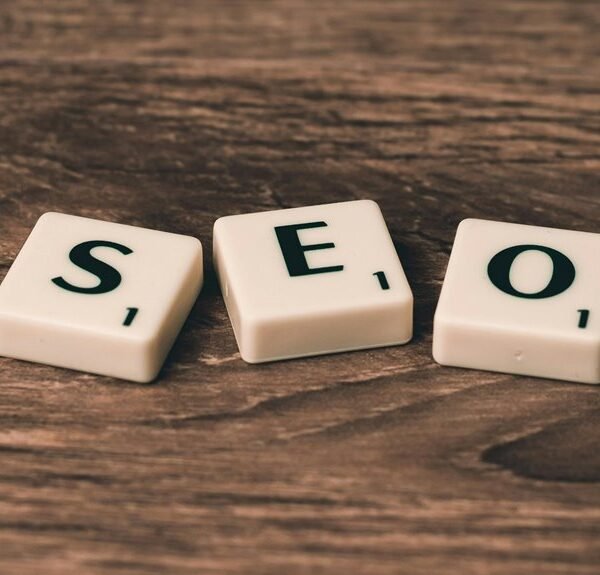
On-page optimization plays a critical role in driving online growth for businesses like 227456366. By implementing strategic keyword placement, ensuring content relevance, and enhancing user experience, companies can improve their visibility in search engine results. However, success hinges not just on execution but also on the careful avoidance of common pitfalls. Understanding these elements may lead to a more nuanced approach to digital strategies, raising questions about the next steps for effective implementation.
What Is On-Page Optimization and Why Does It Matter?
On-page optimization serves as a critical pillar in the realm of search engine optimization (SEO), encompassing the various strategies and techniques applied directly within a website to enhance its visibility in search engine results.
It prioritizes content relevance, ensuring that material aligns with user intent and search queries.
Effectively implemented SEO strategies can significantly improve organic traffic, ultimately fostering a website’s growth and user engagement.
Key Techniques for On-Page Optimization
Effective on-page optimization involves a variety of techniques designed to enhance website performance and search visibility.
Key techniques include strategic keyword placement within headings and paragraphs, ensuring relevance to user queries.
Additionally, a well-defined content structure enhances readability and engagement, guiding users through information seamlessly.
Together, these elements create a robust foundation for organic growth, empowering websites to achieve desired visibility and effectiveness.
Measuring Your Optimization Success
While implementing optimization techniques is crucial, measuring their success is equally important for continuous improvement.
Success metrics, such as organic traffic growth, conversion rates, and bounce rates, should be rigorously tracked.
Performance tracking tools enable data-driven decisions, allowing marketers to refine strategies and enhance user engagement.
Ultimately, this analytical approach fosters a deeper understanding of optimization effectiveness, paving the way for sustained growth and freedom in digital marketing.
Top 5 Mistakes to Avoid in On-Page Optimization
Although many marketers understand the importance of on-page optimization, they often fall into common pitfalls that can hinder their efforts.
Key mistakes include keyword stuffing, which can damage readability, and content duplication, which undermines originality.
Neglecting user experience by overlooking meta tags and image optimization can also detract from engagement.
Avoiding these errors is essential for effective on-page strategies and improved search rankings.
Conclusion
In conclusion, on-page optimization serves as the cornerstone of online growth 227456366, akin to the roots of a tree that nourish its branches. By implementing effective strategies and continuously measuring success, businesses can cultivate a robust online presence. Avoiding common pitfalls ensures a seamless user experience, ultimately driving organic traffic and fostering engagement. As the digital landscape evolves, a strategic focus on on-page optimization will allow organizations to thrive and flourish in their respective markets.